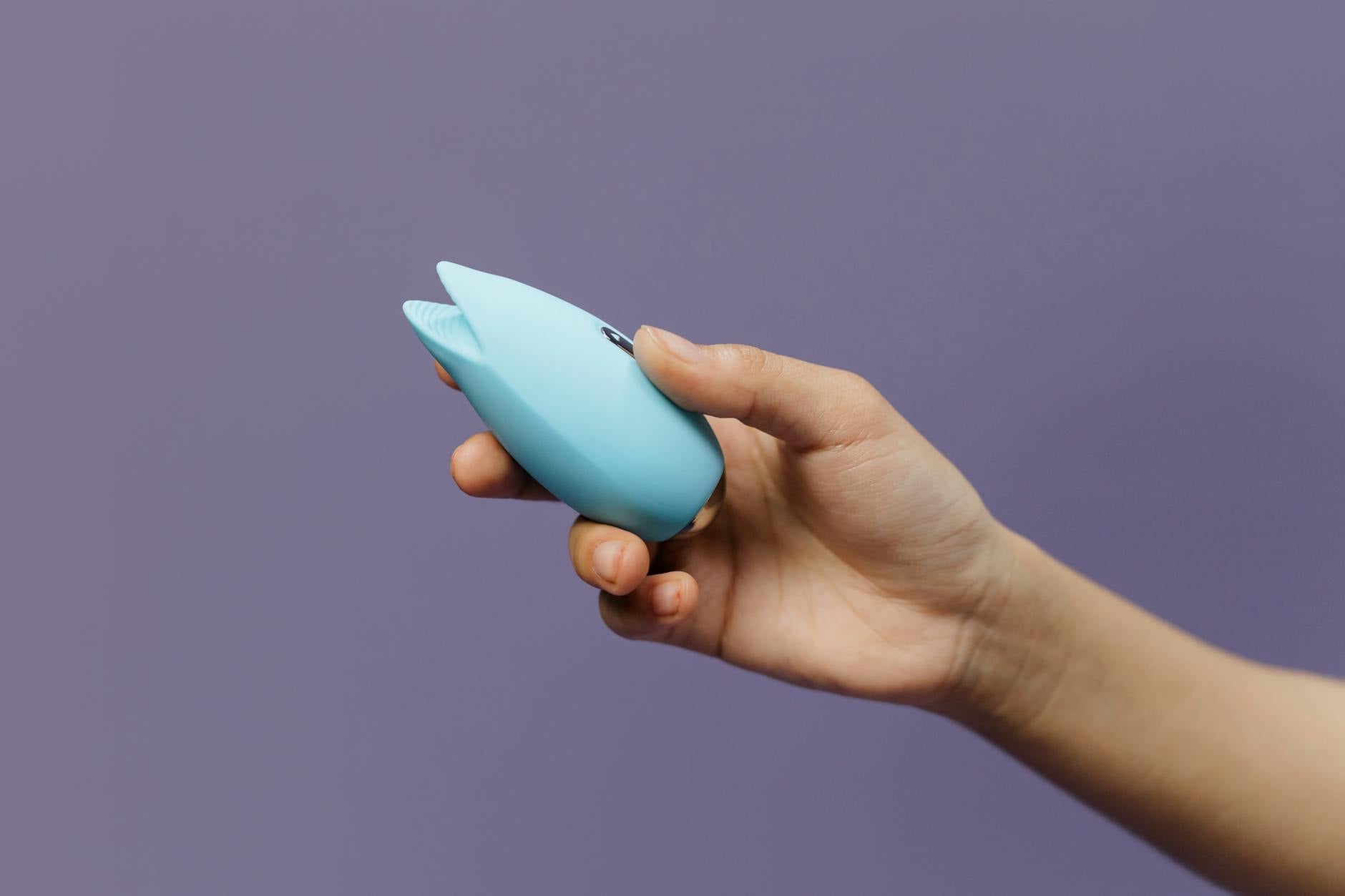
Here's what nobody tells you about long-distance relationships
Your body doesn't know the difference between "away for work" and "away because we're not connected anymore." When your partner travels constantly, something shifts in your nervous system. The anticipation of touch disappears. The casual morning intimacy evaporates. And pretty quickly, you stop thinking about sex altogether, which feels safer than wanting someone who isn't there.
But that safety costs you. It costs your relationship too.
Why long-distance kills desire faster than you'd think
It's not really about missing sex. It's about missing the permission to want. When your partner is present, desire builds naturally through proximity, eye contact, accidental touches. Your body gets primed without you having to think about it. Long-distance strips that away entirely. You're alone most nights. Your body learns not to expect touch. After a few months of that, arousal becomes genuinely harder to access, even when your partner is home for a weekend.
There's also the logistical grief. You have limited time together. There's pressure for that time to be "perfect." Sex becomes another item on the to-do list instead of something that happens naturally. That pressure kills desire faster than distance ever could.
And here's the part therapists talk around: when you're not actively maintaining your own pleasure during stretches apart, you lose the neural pathway for it. Your brain literally rewires around absence. Rebuilding that takes intentional work, not just willpower.
What lemon clitoral vibrators actually solve in this context
A clitoral vibrator isn't a substitute for your partner. That's important to name clearly. But it is a powerful tool for maintaining your own pleasure capacity when you're apart, which paradoxically makes you better at connecting when you're together.
Here's the mechanical part: lemon vibrators like the Lem are designed for directness and intensity. They don't require the kind of full-body arousal that long-distance makes hard to access. You can use one when you're only at 30% arousal and still reach a full orgasm. That matters because it means you're not fighting your body's resistance. You're working with what's actually available to you in that moment.
But here's the relational part, which matters more: using a clitoral vibrator regularly while your partner is traveling keeps your desire system active. Your body stays familiar with pleasure. When your partner comes home, your nervous system isn't starting from zero. You're already warm. You already know what feeling good feels like. That changes everything.
The specific ways this rebuilds intimacy
You arrive at reunions already engaged. Most long-distance couples describe the first night together as awkward or pressured. You're rusty with each other's bodies. But if you've been maintaining your own pleasure while apart, that rust doesn't happen the same way. You show up with your body already lit up. Your partner feels that. It's magnetic.
You can actually talk about desire again. When you're using a vibrator solo, you're learning what turns you on in real time. That information is gold for your partner. Instead of vague conversations about "maybe more of this," you can say "I've been thinking about X, and here's what works." Specificity rebuilds connection faster than anything else.
Separation anxiety gets channeled into something generative. Long-distance is isolating. Your body aches. Using a lemon vibrator transforms that ache from pure loss into something you're choosing to do for yourself. It's not a replacement for your partner. It's maintenance. Self-care that keeps you resilient.
You stop resenting the separation as much. This is subtle but real. When partners travel, the stationary partner often starts building resentment: "They get to live their life while I'm stuck here." Maintaining your own pleasure gives you agency back. You're not waiting. You're not suffering. You're taking care of yourself. That matters psychologically.
How to actually make this work practically
First, be honest about the rhythm. If your partner travels for three weeks and is home for one, that's a 3:1 absence-to-presence ratio. That's the math you're working with. You're not using a vibrator because something's broken. You're using it because something's missing and you're not going to pretend the missing part isn't real.
Second, find a time that doesn't compete with couple time. Early morning before work, or late at night after your partner's asleep at home. Don't make it furtive or shameful. It's maintenance. Same as brushing your teeth.
Third, consider using lemon sexual toys alongside video connection with your partner, but separately. Some couples love mutual masturbation on video calls. Others find that pressurizing. You know your dynamic. If you want to stay connected while apart, honest conversation about this beforehand is essential. "I'm going to be taking care of myself while you're gone, and I'd love to hear about it." That's vulnerable and also clarifying.
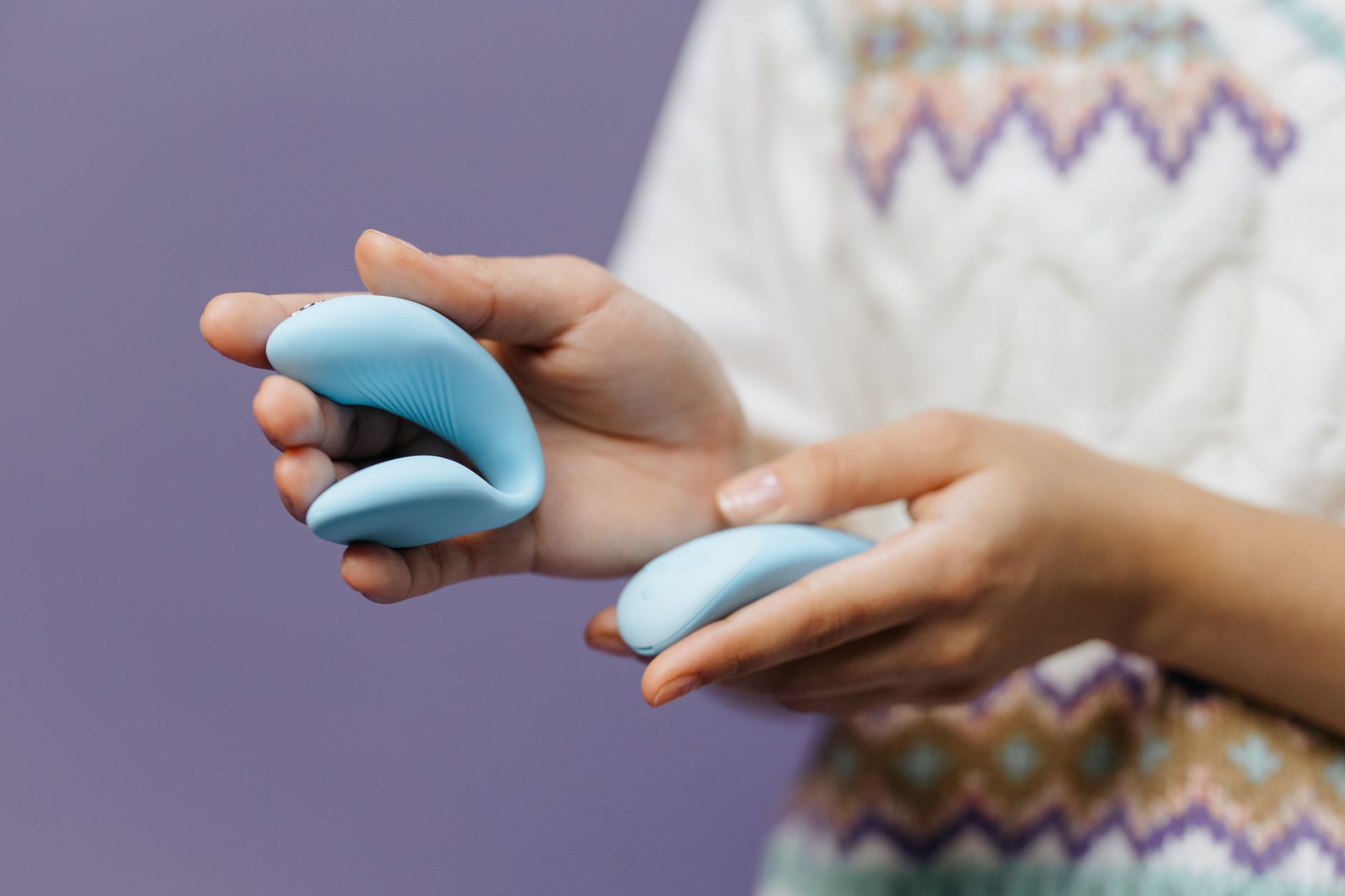
Photo by cottonbro studio on Pexels
Fourth, check in about what your partner needs too. Long-distance is lonely for both people, even if one is traveling for work. They might want to know you're taking care of yourself because it actually makes them feel less guilty about being away. Or they might need you to not mention it. Honor what they say.
When this gets complicated
Sometimes frequent travel is a symptom of something else. A partner who's using work travel to avoid intimacy. A job that's fundamentally incompatible with the relationship. A power imbalance where one person's career always comes first. No vibrator fixes those problems. If that's your situation, the clitoral vibrator is maintenance while you're having bigger conversations. Don't let solo pleasure become a substitute for partnership repair.
Similarly, if your partner is traveling and you're noticing that you genuinely have no desire even with tools available, that might be depression or a sign that your relationship needs more direct attention. Pleasure maintenance is one thing. Complete loss of arousal is different. Talk to someone.
What happens when your partner finally understands this
Most people with travel-heavy jobs haven't thought about this systematically. They assume that long-distance just means "less sex," and they make peace with that. But when you name what's actually happening, they often feel relieved. You're not demanding more time together. You're not asking them to change jobs. You're just maintaining yourself so the relationship doesn't slowly drift into roommate status.
The best partners get this. They realize that you using a lemon clitoral vibrator while they're away isn't a threat. It's actually evidence that you care enough to stay connected to your own body, which means you'll stay connected to them when they return.
FAQ: Long-distance relationships and clitoral vibrators
How often should I use a vibrator while my partner is away?
There's no prescription. The point isn't frequency, it's consistency. Once or twice a week is enough to keep your pleasure system engaged. More if you want it. Less is fine too. The key is that it's intentional and regular, not something you do when desperation hits.
Will my partner feel replaced if they know I'm using a vibrator?
Not if you frame it clearly. "I'm using this to stay connected to my own body while you're gone" is different from "I'm doing this instead of wanting you." Most partners feel relieved when they understand the difference. It takes pressure off reunion sex and actually improves it.
Can we use vibrators together on video calls?
Yes, if you both want that. Some couples find mutual masturbation incredibly connecting. Others find it awkward or pressurizing. There's no right answer. Have the conversation directly without assuming anything.
What if travel is permanent and we're considering opening the relationship?
That's a separate conversation, and it's worth having with a therapist or couples counselor. Vibrators are tools for solo maintenance. They're not a framework for relationship restructuring. If you're thinking about opening the relationship because travel is making monogamy unsustainable, that needs its own attention and honesty.
How do I bring up using a lemon vibrator to my partner without it feeling weird?
Just say it plainly. "I've been thinking about using a vibrator while you're traveling. I want to keep my body engaged and ready for when you're home. Is that something you're okay with?" Most partners will appreciate the directness. If they react badly, that's information too, and worth exploring.
Does this actually improve our sex life when we're together?
Yes, usually significantly. You arrive at time together already aroused and connected to your body. That eliminates the awkward ramp-up period. You also have better information about what you like. You're not starting from scratch every time you see each other.
The bigger picture
Long-distance relationships are hard. They require intentionality, honesty, and willingness to show up differently than couples who share a home. Using a clitoral vibrator during separation isn't about replacing your partner. It's about honoring your body's need for pleasure while they're away, which paradoxically makes you better at connecting when they're home. Your desire stays alive. Your nervous system stays warm. When you reunite, there's recognition instead of rust.
That's what clitoral vibrators actually offer in long-distance relationships. Not fantasy. Not escape. Just a way to stay tethered to yourself while your partner is tethered to work. Both of you taking care of what you can control, so that when you're together again, the connection feels real.
If long-distance is the reality of your relationship and you want to strengthen what you have, talking through the bigger relationship patterns can help too. Or reach out to discuss your situation more directly.