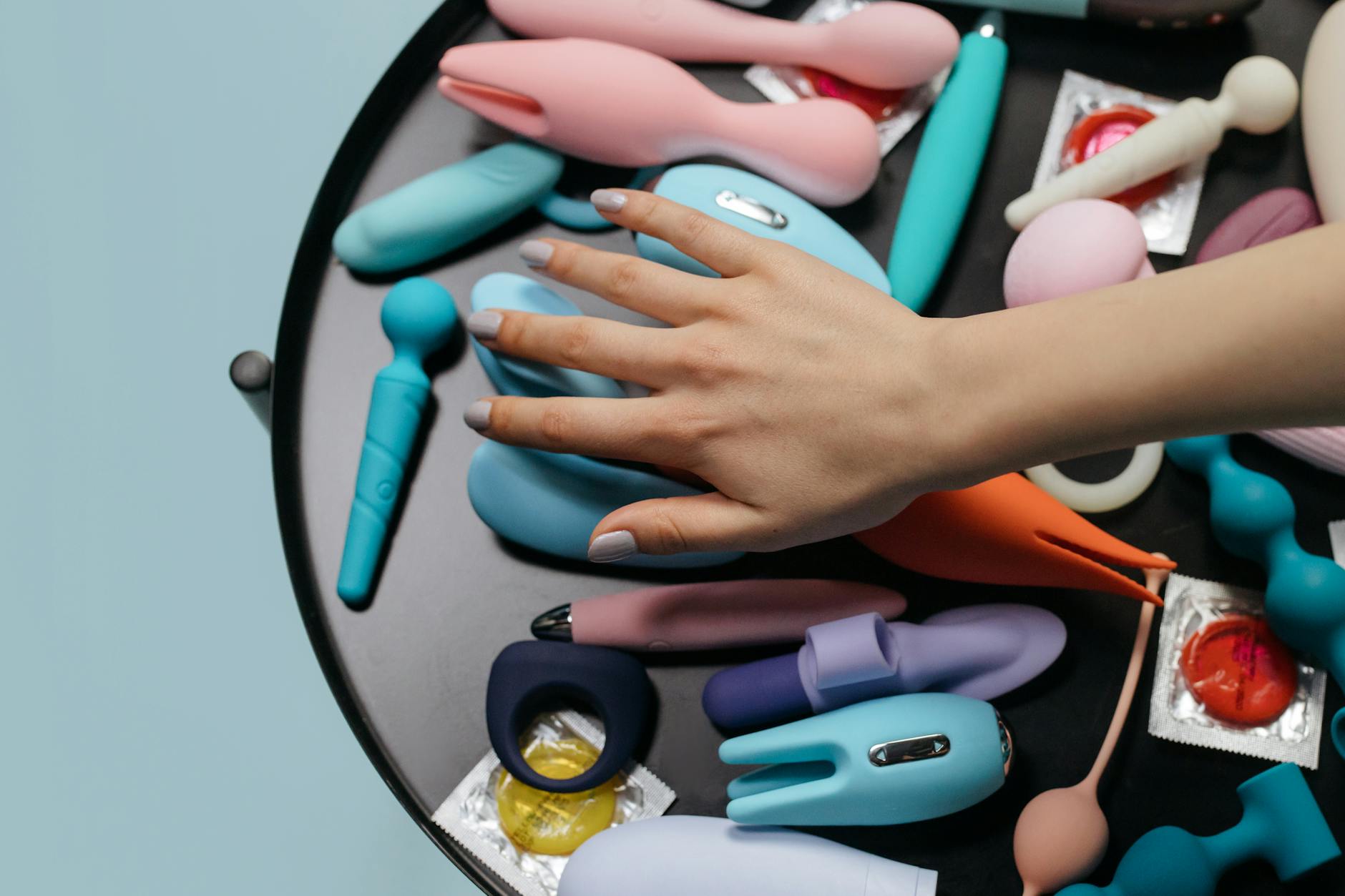
Here's the thing about guilt and pleasure
Guilt doesn't come from your body. It comes from everything you've absorbed about what your body is supposed to do, who gets to enjoy it, and whether you deserve that enjoyment in the first place. For many people, especially those raised in environments where pleasure was framed as indulgent or selfish, that guilt becomes so familiar it feels like fact.
It's not. And lemon vibrators can actually help you untangle it.
The guilt narrative is cultural, not biological
I've worked with hundreds of clients who experience a specific flavor of guilt around solo pleasure. It usually sounds like: "I shouldn't want this," "My partner would feel bad," "I should be able to get there without help," or the big one, "It's selfish to prioritize my own sensation." None of these thoughts originate in your nervous system. They're downloaded scripts.
What's wild is that the moment someone tries a lemon sucker like the Lem vibrator, something shifts. The guilt doesn't vanish instantly, but the evidence against it becomes undeniable. Your body responds. Pleasure floods in. And you realize your capacity for sensation was never the problem.
The guilt was noise on top of desire that was always there.
Why lemon vibrators are different from the shame spiral
Traditional buzz-style vibrators can actually reinforce guilt because they demand a lot from you. You have to maintain grip, angle, and pressure simultaneously while simultaneously managing the mental load of whether this is "allowed." It's exhausting.
Lemon clitoral vibrators work differently. The suction technology does most of the mechanical work, which means your nervous system can relax into sensation instead of hustling to achieve it. That shift matters psychologically. When pleasure doesn't require you to earn it or work for it, the guilt narrative loses its grip.
You're not being "bad" or "selfish." You're practicing receiving, which is the opposite of guilt. You're letting yourself have something without bartering for it.
The self-compassion architecture
Using a lemon vibrator while you're carrying guilt requires a small mindset reset. Here's the framework I recommend:
Separate your pleasure from your responsibility to others. If you have a partner, their feelings are valid and real. And your pleasure is not a threat to them. Both things are true at once. Many people get stuck in "if I enjoy this, they'll feel inadequate," which is actually a projection. Your capacity for pleasure doesn't diminish anyone else's worth.
Notice the guilt, then redirect. Guilt will show up. That's normal. The goal isn't to eliminate it instantly. When it arrives, name it: "That's the message I learned, but it's not the truth about me." Then refocus on sensation. This is a practice, not a flip of a switch.
**Use the vibrator as permission. ** The Lem vibrator isn't just a toy. It's a physical object that says: "Your pleasure matters enough to invest in." Every time you use it, you're overwriting the narrative that your sensation is frivolous or wrong. That's profound rewiring.
How to actually use a lemon vibrator when guilt shows up
First, create space that feels genuinely yours. Not the bedroom you share with a partner, not a space where you're listening for interruptions. A place where you can close a door, silence your phone, and be fully unavailable.
Start with the lowest setting on your Lem vibrator. The suction patterns are gentler at lower intensities, which means your nervous system doesn't feel rushed or pressured. This matters when you're already carrying tension about whether this is okay.
As you build arousal, notice what you're actually feeling in your body without narrating it. Don't think "am I doing this right" or "should I feel guilty." Just feel. The more you practice separating physical sensation from the guilt story, the more that story loses weight.
When you orgasm, let it be messy or intense or quiet or whatever it is. Pleasure doesn't have to look a certain way to count. You don't have to perform your own orgasm for an invisible audience.
The partner conversation
If you share your life with someone, they deserve honesty. Not oversharing, but honesty. Something like: "I'm exploring my own pleasure more, and I need your support in that. This isn't about you. It's about me taking responsibility for my own satisfaction." Most partners appreciate clarity over secrecy.
If a partner reacts with jealousy or anger to your solo pleasure, that's information about their insecurity, not about whether your pleasure is valid. You can be compassionate about their feelings and still keep your boundary. This is actually healthy for the relationship because you're modeling that your needs matter.
The brain rewires faster than you think
Guilt is a habit, and habits change with repetition. After five or six times using your lemon vibrator without the guilt narrative hijacking the experience, something loosens. The old message gets quieter. You start to internalize: "I get to have this. My pleasure is legitimate."
I've had clients report that pleasure-guilt dissolves within weeks of regular practice. Not because they're ignoring the guilt, but because they're accumulating evidence that the guilt was never the truth.
When you need support beyond the toy
If guilt is massive or tied to trauma, a vibrator alone won't unwind it. A therapist, especially one trained in somatic work or EMDR, can help you process where that guilt originated and why your system treats pleasure like a threat. This isn't weakness. It's intelligence.
Lemon sexual toys are a tool for pleasure, but they're also a tool for permission. And sometimes permission is the most revolutionary thing you can give yourself.
FAQ: Guilt, pleasure, and lemon vibrators
Can using a lemon clitoral vibrator make guilt worse?
Sometimes guilt spikes before it softens, especially if pleasure feels new or unfamiliar. That spike isn't a sign you should stop. It's actually the old narrative recognizing that something is changing. Stay curious instead of judgment. The guilt usually releases within a session or two as your body proves to your brain that pleasure is safe.
What if I feel guilty because my partner doesn't know?
There's a difference between privacy and secrecy. Privacy is healthy. You don't owe anyone a play-by-play of your solo practice. If the guilt is coming from full deception, that's worth examining with your partner. If it's coming from social conditioning that solo pleasure "should" be hidden, that's the narrative talking, not reality.
Is using a lemon sucker vibrator selfish?
Selfishness is taking someone else's good for your own benefit. Using a vibrator benefits no one but you, and it harms no one. That's not selfishness. That's self-care. There's a real difference, and conflating them is how guilt persists.
Can I use a lemon vibrator if I have a partner?
Absolutely. Solo pleasure and partnered pleasure are different experiences that both deserve space in your life. Many people find that priority on their own sensation actually improves partnered sex because they know what they like and can communicate it.
What if guilt comes back after I stop using the vibrator?
Guilt is like a weather pattern. It cycles through. If it returns, you can handle it the same way: notice it, redirect to sensation, remember that your pleasure is legitimate. The more times you do this, the faster the cycle breaks.
Should I tell my partner about my lemon vibrator?
That depends on your relationship agreements and communication style. Many couples benefit from honesty about solo pleasure. Some prefer privacy. There's no universal right answer. But the guilt you feel should be about genuine ethics (like deception if you've agreed to transparency), not about whether your body deserves pleasure. That's always yes.